9 Ways to Reinforce Lab Safety; Plus a Free Student Safety Acknowledgment
Teaching hands-on science in today’s classroom environment requires planning and preparation. One of the most critical parts of your role is establishing proper safety procedures during classroom activities.
The good news is that most of you already have effective safety protocols.
The good news is that most of you already have an effective safety protocol in the classroom.
Here are a few famous examples of the importance of safety in labs:
- Robert Bunsen, developer of the Bunsen Burner - In 1843, a flask containing cacodyl chloride (C2H6AsCl) exploded in Bunsen's face, and he permanently lost the use of his right eye.
- Texas Tech University - A chemistry lab at Texas Tech University exploded while two students were conducting experiments to make derivatives of an explosive substance called nickel hydrazine perchlorate. They made a dangerous mistake: they created 10 grams of the substance, despite the warning of the supervisor not to make more than 100 milligrams. Yikes!
- In 2008, Sheri Sangji was working on a chemical synthesis in a lab at the University of California, Los Angeles. One of the reagents she was using was tert-butyllithium (t-BuLi), which ignites spontaneously in air. The t-BuLi was exposed to the atmosphere and started a fire that ignited Sheri's clothes. Sheri was wearing nitrile gloves, no lab coat, and possibly no eye protection. Sadly, Sheri ultimately died from injuries sustained from the accident. Her passing led chemists to improve academic lab safety culture to prevent similar accidents at their own institutions.
With those cautionary tales in mind, here's how to reinforce proper lab safety in any K-12 learning environment to help avoid injury:
1. Set a culture of safety
A strong, positive safety culture instills thinking and behavior that prioritizes safety. Incorporating safety as a theme in every lesson or activity is a great place to start. The key elements to setting a strong culture of safety are setting expectations, educating staff and students, and building accountability. Building and sustaining a culture of safety really focuses on the positives every day. Try kicking off your lessons with a "safety minute" to discuss safe practices for the lesson ahead. Over time, it becomes easy and fun.
2. Start safety at the top
Students tend to have a low awareness of risk. So, adults modeling and obeying the safety precautions themselves will help encourage similar behavior among the students. Be sure you're always wearing the proper PPE and following all lab safety protocols, and your students will follow suit. And be sure to drink your morning cup of joe outside of the lab. Lead by example.
3. Supervise consistently
Enforce the safety rules. Correct any violations and bring attention to good safety behavior. Do a "safety check" at the start of every lab, and throughout the experiment, where students demonstrate how they're following safety protocol.
One easy and effective way to enforce rules consistently is to chart safety rules students often break. Make a checklist with a grid to record each infraction as it happens. You can do this by writing the rule on a whiteboard and putting a checkmark next to it whenever it's broken. When you record the infractions, you help students stay aware of the rules they often break.
4. Explain the why
Help students understand why lab-safety procedures make sense—understanding the "why" will help them internalize the value of following the rules. Sharing examples of common lab mishaps and consequences like the ones above is a great place to start! Document all safety instructions, so students have reference material.
5. Be vigilant
Use a safety checklist. Conduct regular self-inspections of the lab, going through the guidelines, point-by-point, like a checklist. Your students can take turns demonstrating how they do a safety inspection of their home lab.
6. Communicate guidelines and expectations clearly
Post safety guidelines in a visible location in your classroom, such as our lab-safety-rules checklist to post in a visible location at home. A lab safety acknowledgment like the one below is also a great way to ensure students understand and agree to follow safety protocol and hold them accountable.
7. Equip students with a safety toolbox
Stock up on simple safety items like gloves, goggles, and lab coats or aprons to ensure students have the equipment they need to stay safe. Make it easy by stocking safety kits for individual students.
8. Use lessons learned
Use any lapses or near-misses as learning opportunities. Discuss what went wrong and how following the safety guidelines would have helped avoid the situation. Here is a quick five-step procedure you can follow:
Step 1: Have the student state the rule. Ask, "What rule have you broken?"
Step 2: Clarify the rule so the student can see that it applies to this situation.<
Step 3: Have the student tell you the reason for the rule.
Step 4: Have the student explain what they learned and what they would do differently next time.
Step 5: Remind the student of the consequences, then put them into action.
9. Share accountability
Encourage a see-something-say-something culture. Students can alert the supervising adult about anything they believe may violate the safety guidelines. Encourage them to ask questions when they're not sure about something. This encouragement can build students' sense of personal responsibility for following the guidelines to help keep everyone safe.
A commitment to safety in the lab is everyone's responsibility
A science classroom is a place of discovery and investigation. One of the first things students discover is that learning in a laboratory is an exciting experience. Following proper safety rules ensures it stays a safe and productive environment for everyone.
That's why we've created a Laboratory Safety Acknowledgment that you can use with your students. The Acknowledgment has a comprehensive set of rules and guidelines that students must follow, along with any safety policies from your school district. It's a perfect reminder of the safety protocols for their school or home lab that students can post on a bulletin board. A parent or guardian must also sign this document to ensure they're aware of all laboratory expectations. Safety works when we all work together!
Doing amazing science activities in the lab is only cool when we follow the rules. So, whether it's high school or grammar school, proceed with caution because, in the lab, safety rules!
Recommended products
[StartProductBlock]
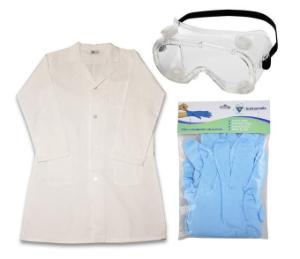
Safety Supply Kit
Perfect all-in-one safety kit for students. Various lab coat sizes available.
[EndProductBlock]
[StartProductBlock]
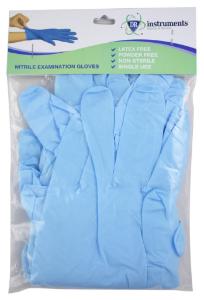
Nitrile Glove Student Packs
A smaller number of gloves, perfect for individual student use. Ten pairs of gloves per pack. Excellent sensitivity and dexterity. Powder-free nitrile exam gloves contain no natural rubber proteins and are 100% latex-free.
[EndProductBlock]
[StartProductBlock]
Goggles
Choose from a range of safety goggles to protect students in the lab.
[EndProductBlock]
[StartProductBlock]
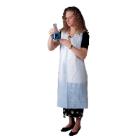
Lab Aprons
Choose from various sizes and materials of aprons resistant to chemicals, acids, and caustics.
[EndProductBlock]
[StartProductBlock]
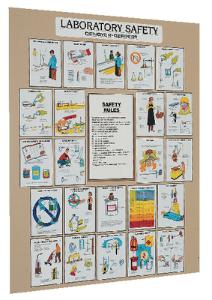
Laboratory Safety Chart
An essential set of safety rules in the lab. Several illustrated panels accompany the list of rules, showing correct safety practices and proper use of safety equipment, and cautions against improper technique.
[EndProductBlock]
[StartProductBlock]
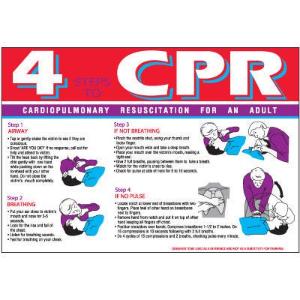
Safety Poster
These safety posters educate students and employees on proper emergency safety techniques.
[EndProductBlock]
